



Boutique hotel vs chain hotel in Dubai: which to choose

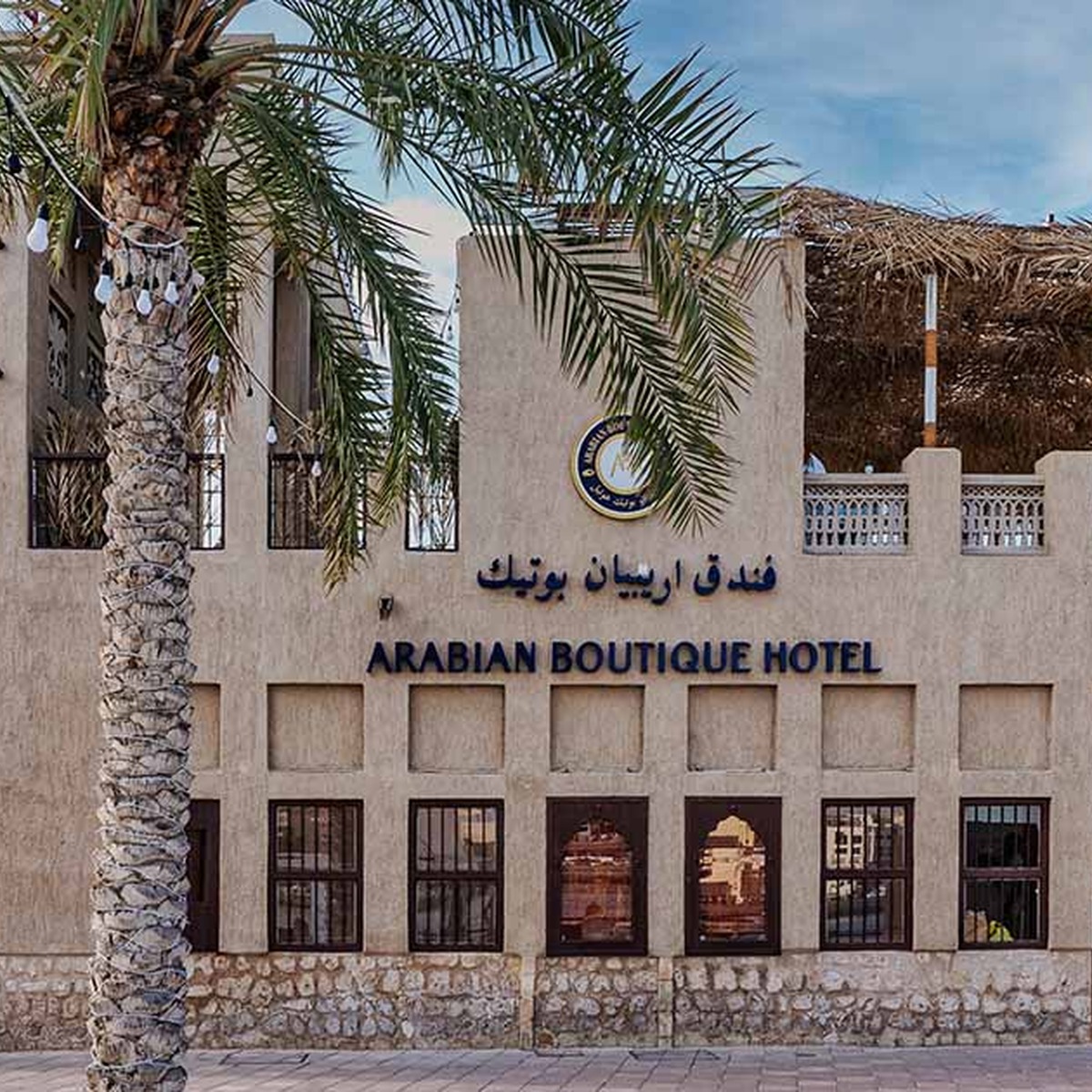
The Ultimate Deep Dive: Boutique Hotel vs Chain Hotel in Dubai
When a traveler lands at Dubai International Airport—the busiest airport on the planet for international passenger traffic—they are immediately hit with a sensory overload. The sheer scale of the terminal, the gleaming luxury stores, the futuristic architecture, and the blur of over 200 nationalities rushing by can be disorienting. But the most critical decision of your trip doesn’t happen at the airport; it happens weeks before, when you open your browser and face a paralyzing dichotomy: Do you book a room in a global chain hotel, or do you take a leap of faith and reserve a boutique heritage hotel?
This is not a simple question of price or location. This is a choice that will dictate your circadian rhythms, your psychological state, your relationship with the local culture, and the very narrative you will tell your friends when you return home. The gap between a chain hotel and a boutique property in Dubai is not a small gap; it is an ideological chasm.
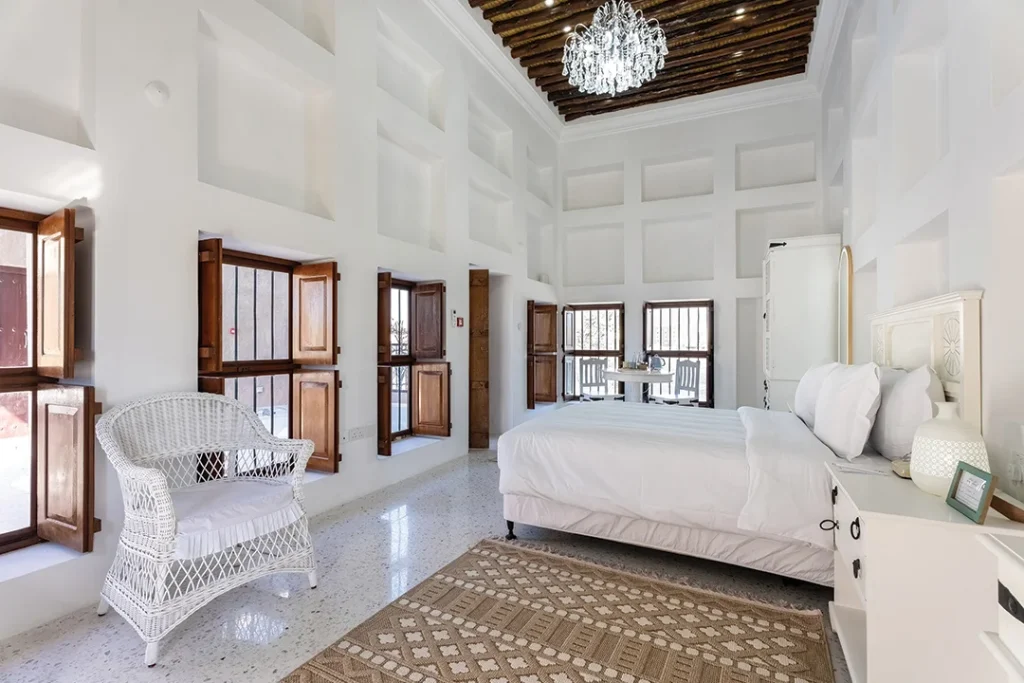
In this exhaustive analysis, we are going to rip the roof off both concepts. We will explore the historical context of Dubai’s hospitality boom, the microscopic differences in your daily routine, the sensory environments, the economic impact of your choice, and the profound psychological shifts that occur depending on where you lay your head at night.
The Historical Betrayal and the Cultural Renaissance
To understand why this choice matters so much today, you have to understand how Dubai’s hospitality landscape evolved. In the 1970s and 1980s, following the discovery of oil, Dubai was in a rush to modernize. The prevailing mindset was: “To be modern is to be Western.” Ancient neighborhoods were tragically demolished to make way for concrete and glass. The Al Fahidi neighborhood—the very area where the city’s founding families once lived—was narrowly saved from the wrecking ball in the late 1980s by a few visionary architects and historians who recognized that a city without a past has no soul.
Fast forward to today, and the chain hotels are the architectural children of that 1970s boom. They represent the “New Dubai”—a city that is constantly looking forward, building higher, and competing globally. They are spectacular, but they are inherently rootless.
The boutique heritage hotel, on the other hand, is the centerpiece of Dubai’s cultural renaissance. When you step into a property that is recognized as the first Emirati boutique hotel in Dubai, you are not just entering a business; you are participating in an act of historical preservation. These properties were not built to look old; they are old. They have been meticulously restored, stone by stone, wind tower by wind tower, to serve as living museums. Choosing a boutique hotel means you are actively funding the preservation of Emirati heritage, rather than padding the profit margins of an international corporation headquartered in another hemisphere.
The Architecture of Exclusion vs. The Architecture of Inclusion
Let’s talk about physical space and how it manipulates human behavior.
A modern chain hotel in Dubai (think of the massive structures lining Sheikh Zayed Road or the mega-resorts on the Palm) is built on the architecture of exclusion. These buildings are designed to keep the chaotic, hot, noisy reality of the Middle East out. The windows are triple-glazed so you cannot hear the traffic. The air conditioning is pumped in at arctic temperatures so you forget you are in a desert. The entrances are vast, imposing driveways that create a physical buffer between the street and the lobby. Once you are inside, the hotel does everything in its power to ensure you never have to leave. It is a hermetically sealed environment.
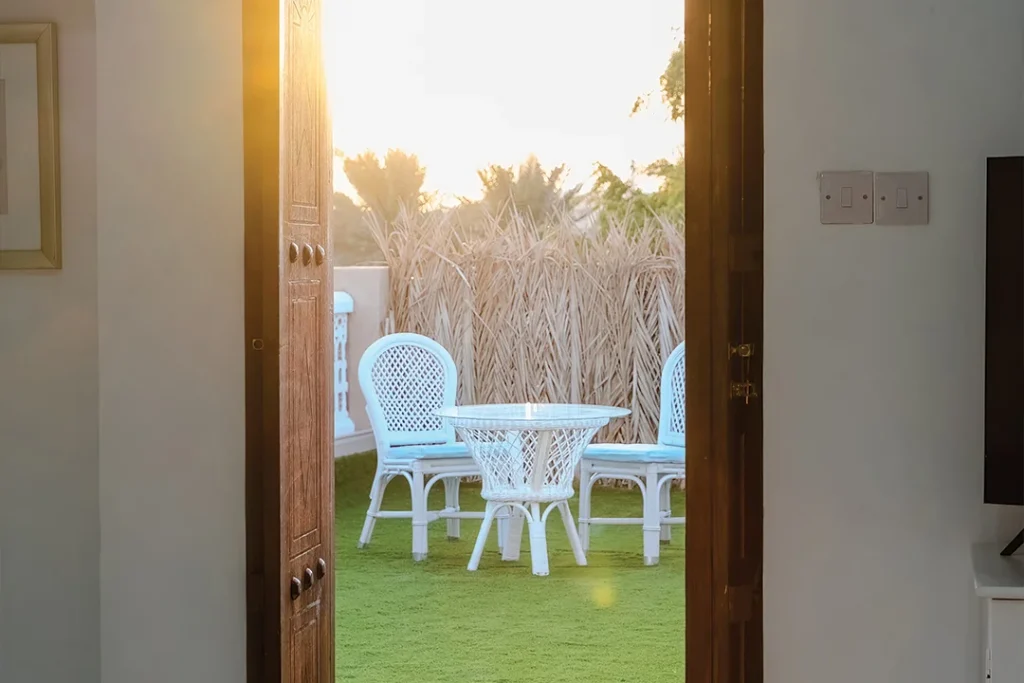
A boutique heritage hotel operates on the architecture of inclusion. The traditional Arabian courtyard design—central to properties found among historic hotels in Dubai—is the exact opposite of a sealed tower. The rooms open inward toward a central open-air space. The buildings use porous materials like coral stone and gypsum, which breathe. The iconic Barjeel (wind tower) does not shut the environment out; it catches the natural breeze and invites it inside.
When you stay in a boutique hotel, you are not shielded from Dubai; you are gently cradled by it. You hear the distant call to prayer, you feel the natural temperature drops at sunset, and you are physically integrated into the urban fabric of the neighborhood. You walk out of a heavy wooden door and you are instantly on the street, interacting with the city. The chain hotel isolates you; the boutique hotel integrates you.
A Microscopic Sensory Comparison
Let’s zoom in on a single morning to understand the stark sensory differences between the two experiences.
The Visual Awakening: In a chain hotel, you wake up and hit a button to open motorized blackout curtains. You are greeted by a wall of glass looking out at either another glass building 20 feet away, or a sprawling highway. The light is harsh, artificial, and flat. In a boutique heritage room, you wake up to the soft, diffused light of the Arabian sun filtering through handmade wooden lattice screens (Mashrabiya). The light dances across the textured coral stone walls, creating intricate geometric shadows. It is a visual experience that has been perfected over centuries of Islamic geometry.
The Auditory Landscape: In a chain hotel, the silence is mechanical. It is the absence of sound created by heavy insulation. But if you listen closely, you hear the low, constant hum of the massive central HVAC system, the whir of elevators in the shaft, and the muffled thud of doors closing down the hallway. In a boutique hotel, the soundscape is organic. You might hear the cooing of pigeons in the courtyard, the gentle rustle of the date palm fronds catching the breeze, and perhaps the distant, melodic echo of the Fajr (dawn) prayer. It is the sound of a living community, not a machine.
The Olfactory Signature: This is where the difference is most profound. In a chain hotel, the hallway and room smell of… nothing. Or rather, they smell of industrial cleaning agents, bleach, and the faint, synthetic floral scent pumped through the HVAC system to mask the smell of hundreds of occupied rooms. In a boutique hotel, the olfactory experience is deeply intentional and cultural. As you walk through the public spaces, you are greeted by the rich, complex aroma of traditional Bakhoor (incense made from agarwood, sandalwood, and essential oils). In your room, the scent might be subtler—perhaps the natural, earthy smell of the gypsum plaster, or the faint trace of oud left from the previous evening’s welcoming ritual. Scent is tied directly to the memory center of the brain; you will forget the smell of a chain hotel in a day, but you will remember the smell of a boutique heritage hotel for years.
The Economic Truth – Where Does Your Money Go?
Travelers rarely think about the macroeconomics of their hotel stay, but it is a crucial distinction.
When you spend $400 a night at a global chain hotel in Dubai, a massive percentage of that revenue is immediately siphoned out of the country. It goes to pay the corporate franchise fees, the global marketing budgets, the centralized reservation systems, and the shareholders located in New York, London, or Bethesda, Maryland. The local economy gets the scraps—primarily the low-wage service staff salaries.
When you spend that same $400 at a boutique heritage hotel, the economic ecosystem is entirely different. Your money stays locally. It pays for the ongoing, incredibly expensive restoration of historical buildings. It supports local artisans who weave the textiles, craft the wooden furniture, and forge the brass fixtures. It pays for locally sourced ingredients used in the breakfast. It provides sustainable employment for locals who act as cultural ambassadors rather than just room cleaners. By choosing a boutique property, your travel budget becomes a direct investment in the cultural infrastructure of the UAE, rather than a line item on a multinational corporation’s spreadsheet.
A Tale of Two Itineraries – The 24-Hour Experiment
To truly grasp the difference, let’s map out a 24-hour itinerary for a traveler in both scenarios.
The Chain Hotel Timeline:
- 8:00 AM: Wake up, take an elevator down 30 floors. Stand in a line of 50 people at a massive buffet. Eat a standard international breakfast (scrambled eggs, bacon, pastries) that tastes identical to a buffet in London.
- 10:00 AM: Realize you want to see the “old city.” Walk to the lobby, wait 15 minutes for a taxi because the hotel isn’t near a metro.
- 10:45 AM: Sit in traffic on Sheikh Zayed Road for 25 minutes.
- 11:30 AM: Arrive at the historic area. Spend 2 hours walking around in the 100-degree heat.
- 2:00 PM: Exhausted, you can’t go back to your room because it’s too far away. You settle for an overpriced, mediocre cafe nearby.
- 8:00 PM: Take a taxi back to the hotel. Eat at the hotel’s generic Italian restaurant because you are too tired to go out again. Go to sleep feeling disconnected from the city.
The Boutique Heritage Hotel Timeline:
- 8:00 AM: Wake up naturally to the sunlight through the Mashrabiya. Walk down the private wooden staircase to a tranquil courtyard.
- 8:30 AM: Enjoy a leisurely, culturally authentic breakfast featuring local Emirati dishes like Chebab (sweet pancakes) and Balaleet (sweet vermicelli with eggs), accompanied by fresh Arabic coffee.
- 10:00 AM: Step out your front door. You are already in the historic district. There are no taxis, no traffic, no elevators. You begin exploring immediately.
- 12:00 PM: After an hour of walking, you are tired. You simply walk back to your boutique hotel—it takes 45 seconds. You sit in the shaded courtyard, drink a glass of fresh camel milk or lemon mint, and rest in your room’s cool, stone-walled interior.
- 4:00 PM: Head out again as the sun lowers. Walk three minutes to the Dubai Creek. Take an Abra ride across the water for 1 AED. Explore the Gold and Spice Souks.
- 7:00 PM: Walk back to the hotel. The transition from the bustling souks to the serene, lantern-lit courtyard of your boutique hotel is profoundly grounding. You don’t need to “escape” the city; your hotel is your sanctuary within it.
Notice the difference in friction. The chain hotel turns sightseeing into a logistical military operation. The boutique hotel weaves the sightseeing seamlessly into your daily life. This is why it is considered the best boutique heritage hotel in Old Dubai; it eliminates the barrier between the traveler and the destination.
The Psychology of Space – Why We Need the Boutique Experience
Modern life is characterized by overstimulation. We spend our days staring at screens, navigating open-plan offices, and sitting in traffic. Psychologists have coined the term “Attention Restoration Theory” (ART), which suggests that people recover better from mental fatigue when they are exposed to environments that invoke a sense of “soft fascination”—nature, gentle sounds, and organic textures.
A chain hotel in Dubai is an extension of the digital, high-stress world. It is full of hard edges, bright LED lights, digital menus, and endless notifications on your phone. It does not let your brain rest.
A boutique heritage hotel is a masterpiece of Attention Restoration. The organic curves of the archways, the tactile roughness of the coral stone, the sound of water in a courtyard fountain, and the absence of digital screens in the common areas force your nervous system to down-regulate. The architecture itself acts as a balm for the modern, overworked traveler. When you stay in a boutique property, you aren’t just taking a vacation from your job; you are taking a vacation from modernity itself.
This psychological benefit is particularly vital for specific demographics. If you are planning a weekend in Dubai: a cultural escape for Saudi travelers, the boutique hotel offers a deeply respectful, quiet, and culturally resonant environment that a noisy, generic chain simply cannot provide. Similarly, it is unparalleled as a family-friendly heritage hotel in Dubai because it offers children a safe, car-free, walkable environment to learn about history, rather than being confined to a hotel room or a crowded pool.
The Media’s Verdict – Why the Critics Choose Authenticity
If you still need convincing, look at the shifting tides of luxury travel journalism. For decades, the gold standard of a hotel review was based on thread counts, pool sizes, and the number of on-site restaurants. That paradigm has shattered.
Today, the most prestigious publications in the world—such as Conde Nast Traveler—are rewarding intentionality, sustainability, and cultural immersion. This is precisely why Conde Nast Traveler and Arabian Business featured this hotel. They recognize that in a world where you can buy a luxury mattress anywhere, true luxury is defined by access—access to history, access to local minds, and access to an environment that cannot be replicated.
Travel writers are bored by chain hotels. There is nothing left to say about a 500-room glass tower. But a boutique heritage property? It is an endless well of stories. It is a story of architectural rescue, of generational hospitality, and of a city fighting to remember its roots amidst explosive growth. When you read a review of a boutique hotel, the language shifts from “efficient” and “spacious” to “intimate,” “evocative,” “poignant,” and “transformative.”
Dispelling the Final Myths with Brutal Honesty
Let’s kill the remaining excuses people use to avoid boutique hotels.
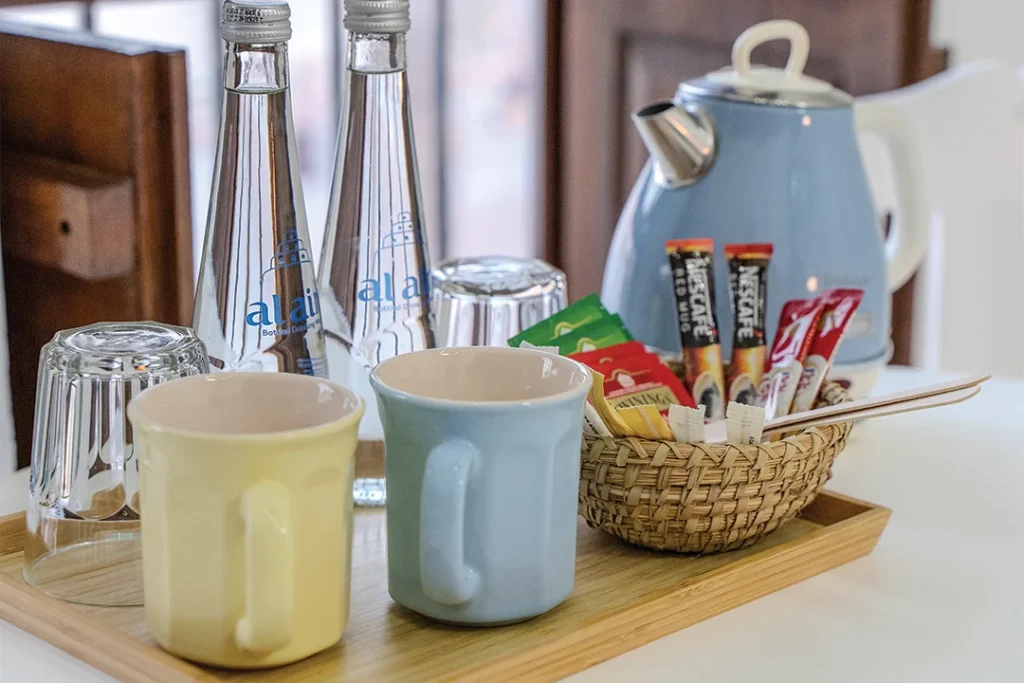
“Boutique hotels don’t have the luxury amenities I need.” False. Look at the complete guide to rooms and suites at Arabian Boutique Hotel. You will find rain showers, luxury linens, high-speed Wi-Fi, climate control, and minibars. The difference is that these modern luxuries are hidden behind traditional cabinetry. You get the comfort of 2024 wrapped in the aesthetic of 1920. It is not a sacrifice; it is an elevation.
“I won’t be able to see the modern sights like the Burj Khalifa.” Dubai is incredibly compact. The Al Fahidi neighborhood is centrally located near the Al Fahidi Metro Station. You can be at the base of the Burj Khalifa in 15 minutes. You can have the best of both worlds: sleep in the 19th century, and play in the 21st.
“I need a big pool.” If a large chlorinated pool is the primary reason you are flying to the other side of the world, then by all means, book a chain. But if you are willing to trade a swimming pool for a private courtyard, a historic wind tower, and an authentic cultural awakening, the boutique hotel will reward you infinitely more.
The Final Synthesis
The debate between a boutique hotel and a chain hotel in Dubai is not a debate about quality; both offer high-quality experiences. It is a debate about the nature of reality during your trip.
A chain hotel offers a simulated reality. It creates a perfect, temperature-controlled bubble of Western luxury that hovers above the actual city of Dubai. It is safe, it is predictable, and it is entirely placeless.
A boutique heritage hotel offers grounded reality. It anchors you to the earth, to the history, and to the people of the UAE. It removes the barriers between you and the environment. It makes you feel the heat, smell the spices, hear the history, and touch the stones that built this extraordinary nation.
Before you book a hotel in Dubai, read this: Your accommodation is not just a place to sleep; it is the primary lens through which you will experience the city. If you choose the chain, you will have a nice time. If you choose the boutique, you will experience heritage luxury that will alter your perspective on travel forever.
Don’t just visit Dubai. Understand it. Breathe it. Live it.
To step into this living history, we invite you to explore the available Rooms & Suites and find your perfect sanctuary. When you are ready to reject the ordinary and embrace the extraordinary, simply Book Your Stay. If you have questions about how to craft your perfect cultural itinerary, our hosts are eagerly waiting to assist you through our Contact Us page. For more insights into the real Dubai, feel free to explore our other Blogs.